In this specialized area, practitioners focus on the intricate interplay between the nervous system, muscles, and skeletal structures. It’s like orchestrating a symphony within the human body, where each note—the nerve impulses, muscle contractions, and joint movements—plays a crucial role.
- Neurological Component
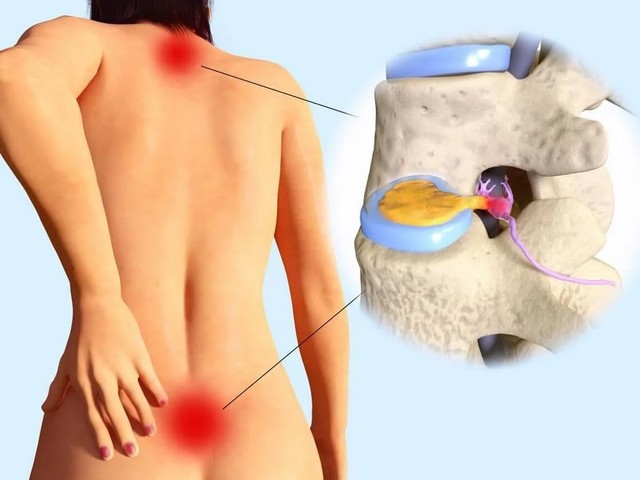
The nervous system—both central (brain and spinal cord) and peripheral (nerves)—is at the heart of it all. It conducts electrical signals, coordinating muscle actions and sensory feedback. Conditions like neuropathies, nerve entrapments, and spinal cord injuries fall under this umbrella. - Muscular Component
Muscles are the engines that power movement. They contract and relax, allowing us to walk, lift, and even dance the night away. Muscle imbalances, strains, and myofascial pain syndromes are part of this realm. - Skeletal Component
Our bones provide structure and support. Joints—where bones meet—allow flexibility. Think arthritis, fractures, and joint dysfunctions. - Rehabilitation
When things go awry—due to injury, surgery, or chronic conditions—rehabilitation steps in. Therapists design personalized programs to restore function, improve mobility, and reduce pain.