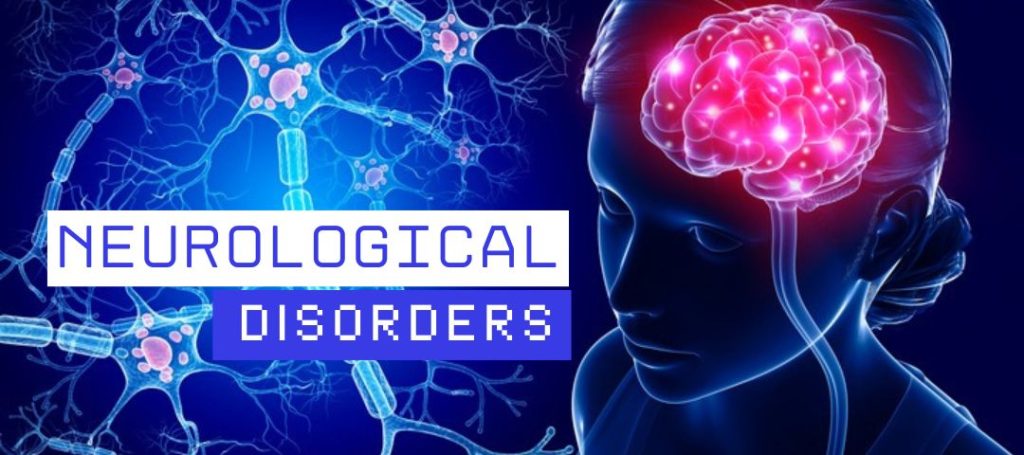
Neurological disorders encompass a wide range of conditions that affect the brain, spinal cord, and nerves. Here’s an overview of various types of neurological disorders we manage:
- Neurodegenerative Diseases
i. Alzheimer’s Disease: Progressive memory loss and cognitive decline.
ii. Parkinson’s Disease: Affects movement, causing tremors, stiffness, and bradykinesia.
iii. Amyotrophic Latel Sclerosis (ALS): Progressive muscle weakness and atrophy.
iv. Huntington’s Disease: Genetic disorder causing movement, cognitive, and psychiatric disturbances. - Demyelinating Diseases
i. Multiple Sclerosis (MS): Immune system attacks myelin, leading to communication issues between the brain and the rest of the body.
ii. Guillain-Barré Syndrome: Acute condition where the immune system attacks peripheral nerves, leading to muscle weakness and paralysis. - Cerebrovascular Disorders
i. Stroke: Interruption of blood supply to the brain, causing brain damage.
ii. Transient Ischemic Attack (TIA): Temporary reduction in blood flow to the brain, often a warning sign for a future stroke.
iii. Aneurysm: Bulging of a blood vessel in the brain, which can burst and cause haemorrhage. - Seizure Disorders
i. Epilepsy: Chronic condition characterized by recurrent, unprovoked seizures.
ii. Status Epilepticus: A prolonged or repeated seizure activity that can be life-threatening. - Neuromuscular Disorders
i. Myasthenia Gravis: Autoimmune disorder causing muscle weakness and fatigue.
ii. Muscular Dystrophies: Group of genetic diseases causing progressive muscle weakness and degeneration.
iii. Charcot-Marie-Tooth Disease: Hereditary neuropathy affecting the peripheral nerves. - Movement Disorders
i. Essential Tremor: Common movement disorder causing rhythmic shaking.
ii. Dystonia: Involuntary muscle contractions causing repetitive movements or abnormal postures.
iii. Tourette Syndrome: Characterized by repetitive, involuntary movements and vocalizations called tics. - Infections
i. Meningitis: Inflammation of the protective membranes covering the brain and spinal cord, usually caused by an infection.
ii. Encephalitis: Inflammation of the brain, often due to viral infections.
iii. Neurosyphilis: Infection of the brain or spinal cord by the syphilis bacteria. - Headache Disorders
i. Migraine: Severe headaches are often accompanied by nausea, vomiting, and sensitivity to light and sound.
ii. Cluster Headaches: Severe, recurring headaches on one side of the head.
iii. Tension Headaches: Common type of headache characterized by a band-like pain around the head. - Developmental Disorders
i. Autism Spectrum Disorder (ASD): A range of conditions characterized by challenges with social skills, repetitive behaviours, and communication.
ii. Attention Deficit Hyperactivity Disorder (ADHD): Characterized by inattention, hyperactivity, and impulsivity.
iii. Cerebral Palsy: Group of disorders affecting movement and muscle tone or posture, caused by damage that occurs to the immature brain. - Peripheral Nerve Disorders
i. Peripheral Neuropathy: Damage to peripheral nerves causing weakness, numbness, and pain, often in the hands and feet.
ii. Bell’s Palsy: Sudden weakness or paralysis of the muscles on one side of the face. - Spinal Cord Disorders
i. Spinal Cord Injury: Damage to the spinal cord, causing loss of function, such as mobility or feeling.
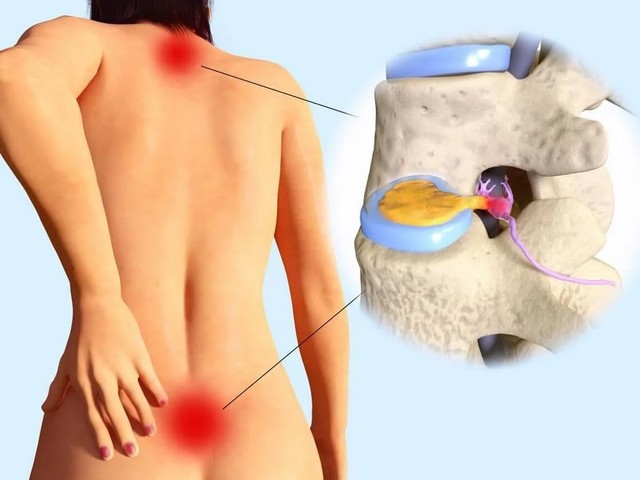
ii. Spinal Stenosis: Narrowing of spaces within the spine, which can put pressure on the nerves. - Pain Disorders
i. Trigeminal Neuralgia: Chronic pain condition affecting the trigeminal nerve in the face.
ii. Complex Regional Pain Syndrome (CRPS): Chronic pain condition usually affects a limb after injury or surgery. - Sleep Disorders
i. Narcolepsy: Chronic sleep disorder characterized by overwhelming daytime drowsiness and sudden attacks of sleep.
ii. Restless Legs Syndrome (RLS): Causes uncomfortable sensations in the legs and an irresistible urge to move them. - Skeletal Disorders
i. Osteoporosis: A condition characterized by weakened bones that are more prone to fracture. It often occurs in postmenopausal women but can affect men as well.
ii. Osteoarthritis: A degenerative joint disease where the cartilage that cushions the ends of bones in the joints gradually wears away, causing pain, swelling, and reduced motion.
iii. Rheumatoid Arthritis (RA): An autoimmune disorder that primarily affects joints, leading to inflammation, pain, and eventual joint damage and deformity.
iv. Paget’s Disease of Bone: A chronic disorder that can result in enlarged and misshapen bones due to abnormal bone destruction and regrowth. It often affects the pelvis, skull, spine, and legs.
v. Scoliosis: A condition characterized by an abnormal lateral curvature of the spine. It often develops during the growth spurt before puberty.
vi. Bone Fractures: Breaks or cracks in bones that occur due to trauma, overuse, or diseases like osteoporosis that weaken bones.
vii. Osteogenesis Imperfecta: A genetic disorder also known as brittle bone disease, which leads to bones that break easily, often with little or no apparent cause deformities.
viii. Kyphosis: An excessive outward curvature of the spine, resulting in a hunched back. It can be caused by poor posture, developmental problems, or degenerative diseases.
ix. Ankylosing Spondylitis: An inflammatory disease that primarily affects the spine, leading to fusion of the vertebrae and reduced flexibility.
x. Osteomyelitis: An infection of the bone, which can result from bacteria or fungi spreading to the bone tissue. Symptoms include pain, fever, and swelling over the affected bone.
xi. Gout: A type of arthritis caused by the accumulation of urate crystals in the joints, leading to sudden and severe pain, redness, and swelling.
xii. Fibrous Dysplasia: A bone disorder where fibrous tissue develops in place of normal bone, leading to weak areas in the bone structure that are prone to fracture or deformity.
xiii. Chondromalacia Patella: Softening and breakdown of the cartilage on the underside of the kneecap, causing knee pain and tenderness.
xiv. Spinal Stenosis: Narrowing of the spaces within the spine, which can put pressure on the nerves and lead to pain, numbness, or weakness in the legs.